One photograph, and its provenance
A photographer's finished look, carried in an open form, from a real archive, with its fidelity measured. This page walks the three points of a comment on FADGI's provenance draft (TCR4CAP v0.2) beside the pictures and records that back them. The files themselves, checksummed, are in the repository: github.com/streamrD/one-photograph-and-its-provenance.
One photograph, every form it took
Six files under data/, in the order they came into being. The comment calls the first "the capture" and the last "the work". Every file has its SHA-256 fingerprint in manifest-sha256.txt.
Beside them: provenance/ holds the PREMIS record and the C2PA-signed copy of the finished picture; look/ holds the documented development, the color table in CLF and .cube, the fidelity report and a comparison picture. README.md and LICENSE.md (CC BY 4.0) sit at the top.
The record cannot tell an artist's finishing from a tampering
An archive that cannot tell them apart will one day treat an artist's print as a tampered file.
Two very different things produce exactly that record. A photographer developing their own raw file into the picture they intend, which is the making of the work. And a later hand, human or AI, altering a finished picture.
Proposed change: a row for the relationship of the agent to the object, and a rule that institutions name which file is the work.
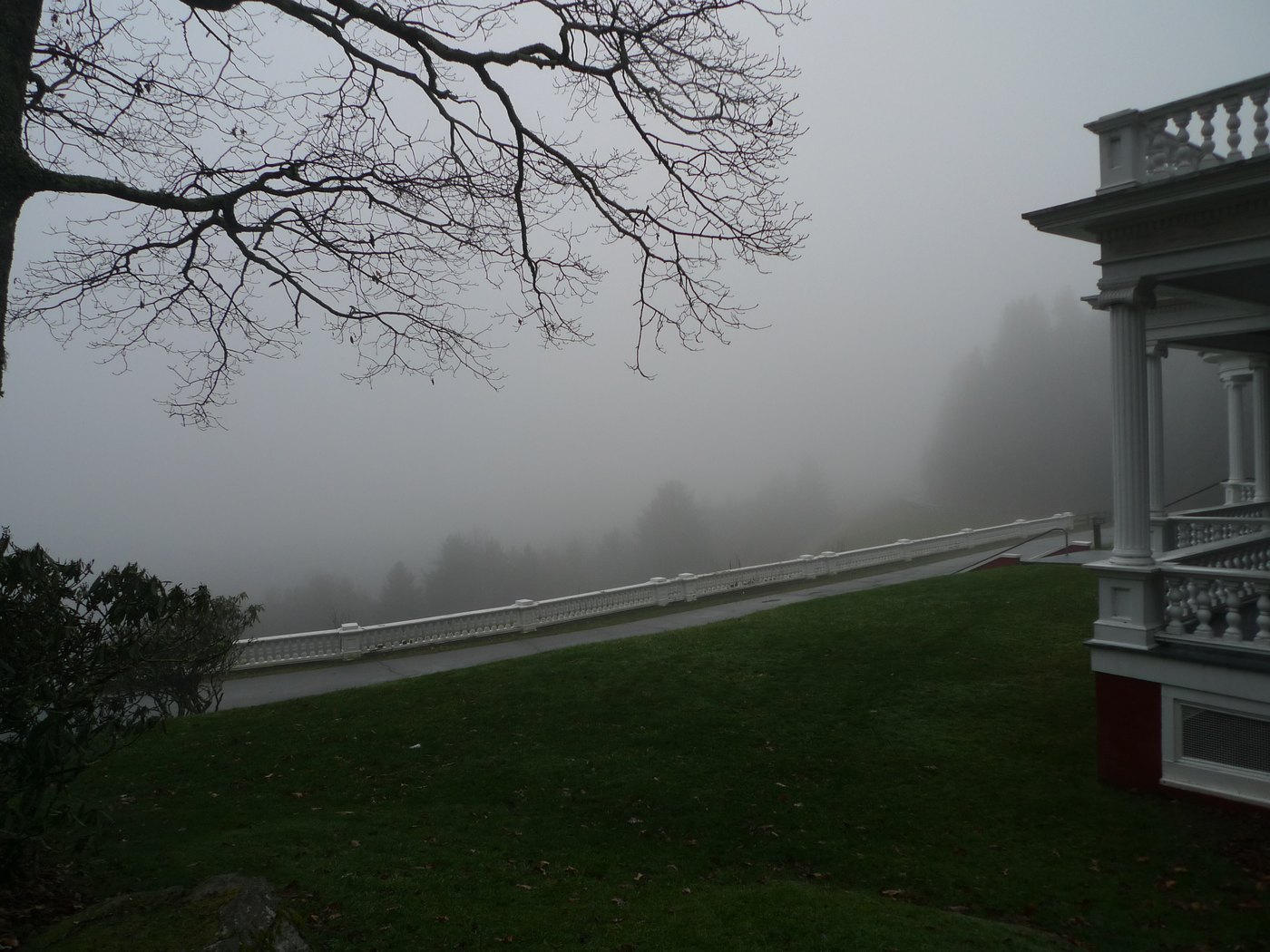
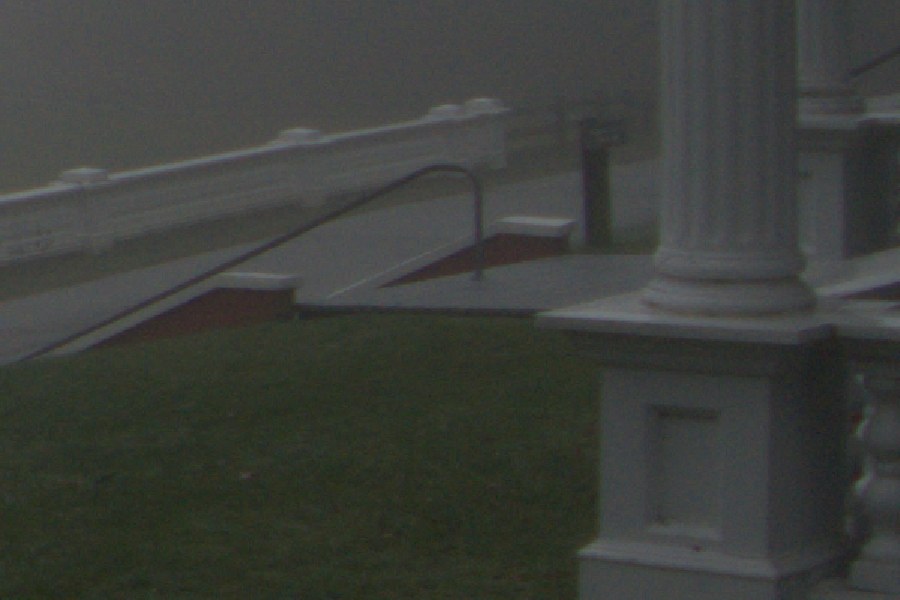
L1000787.camera.jpg. The maker's rendering. Not the work.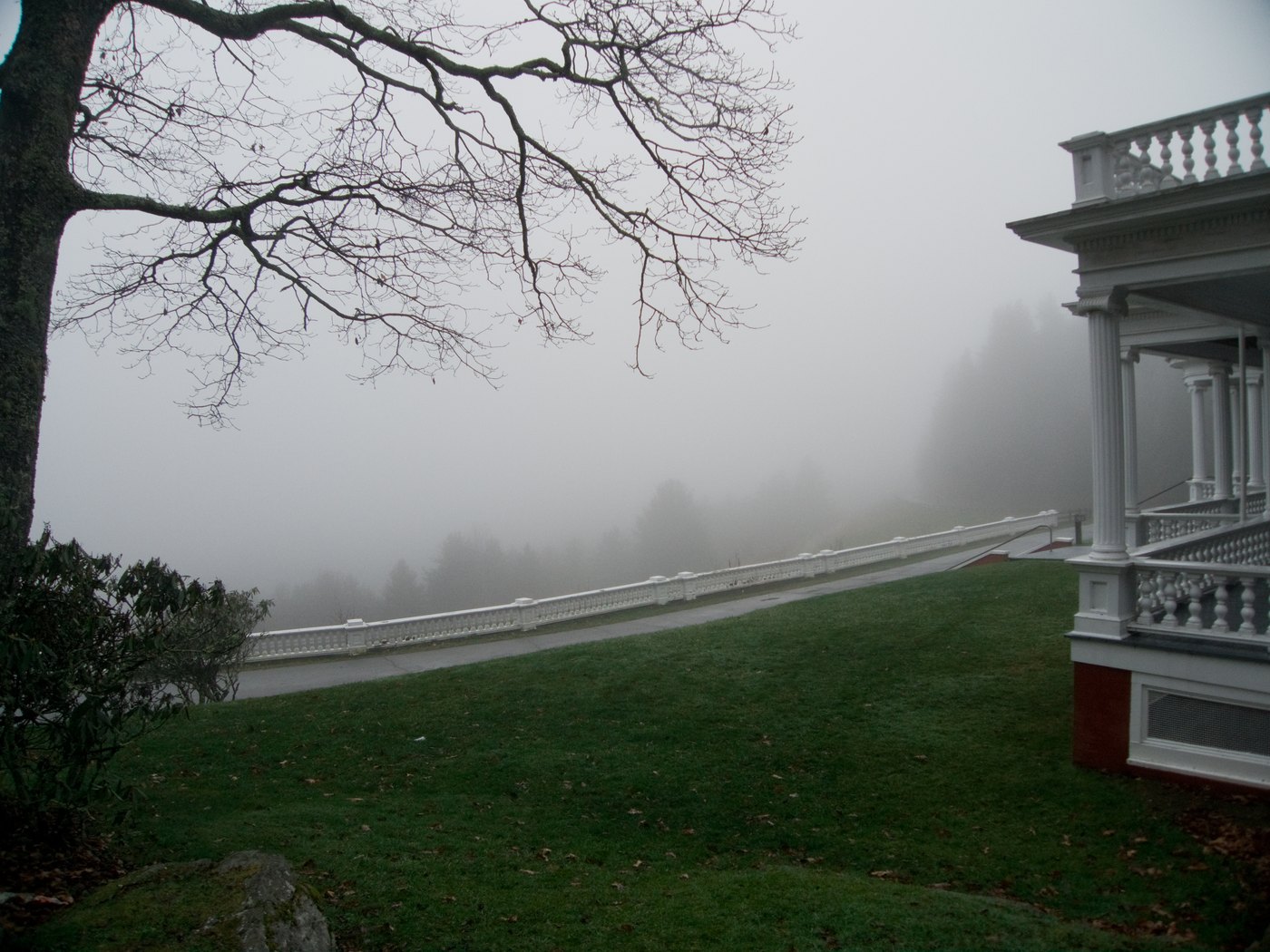
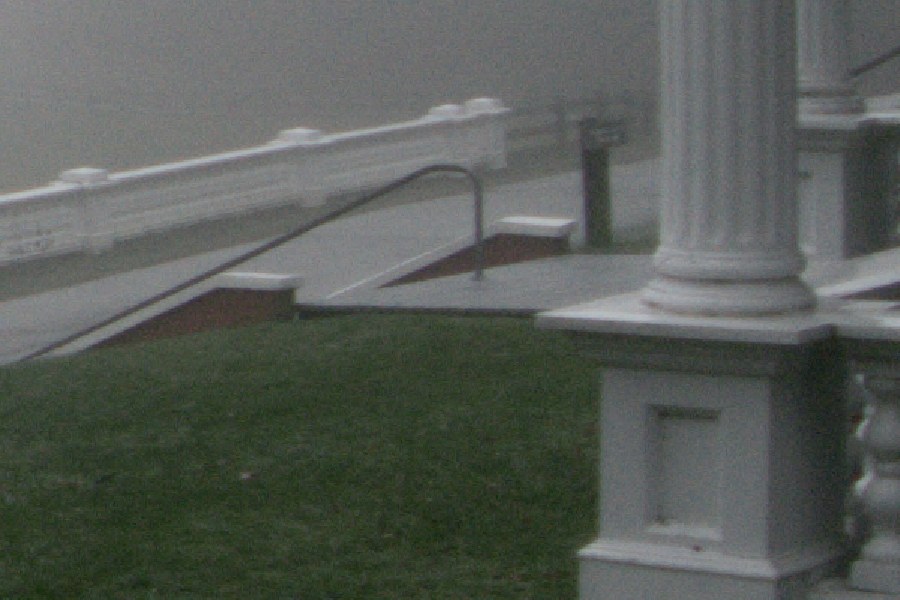
L1000787.jpg. What the photographer made from the same capture.This is the draft's crosswalk example applied to the finishing. It would read the same for an AI that altered the finished picture later. Nothing in it says the maker made it.
Record the how, not only that it happened
The crosswalk records that color was adjusted, when, and by what. It does not record how, so nobody can repeat or check it.
A settings file's meaning is bound to the program that wrote it, so the rendered result must be kept as pixels as well.
Proposed change: name the minimum: the settings file by hash, the software and version, and an open transform where one exists.
Anyone can read these numbers. Only Camera Raw 4.6 knows what "Brightness +50" did to a pixel, and the versions since define it differently. That is the comment's second sentence, in one file.
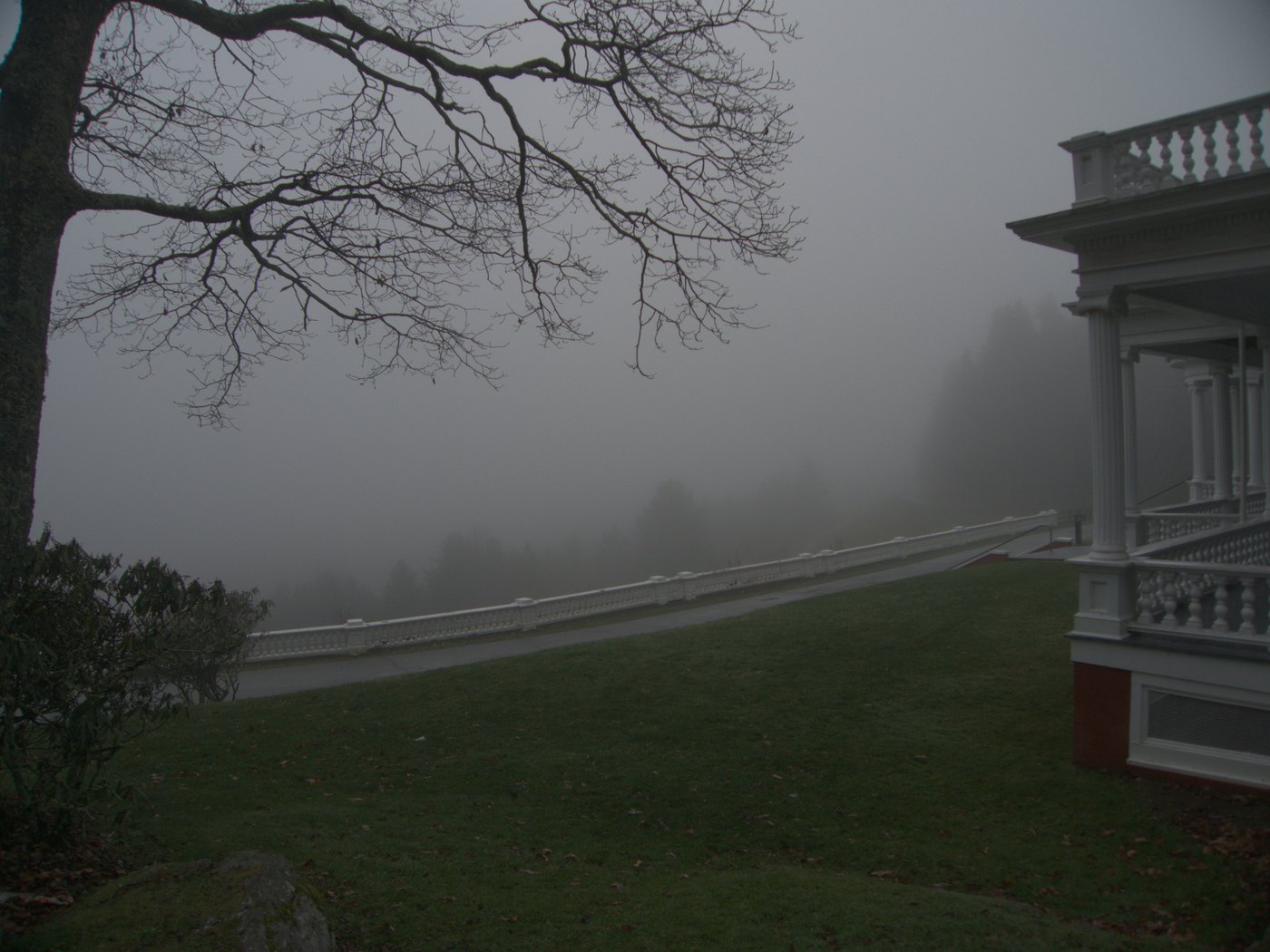
look/L1000787.develop.json.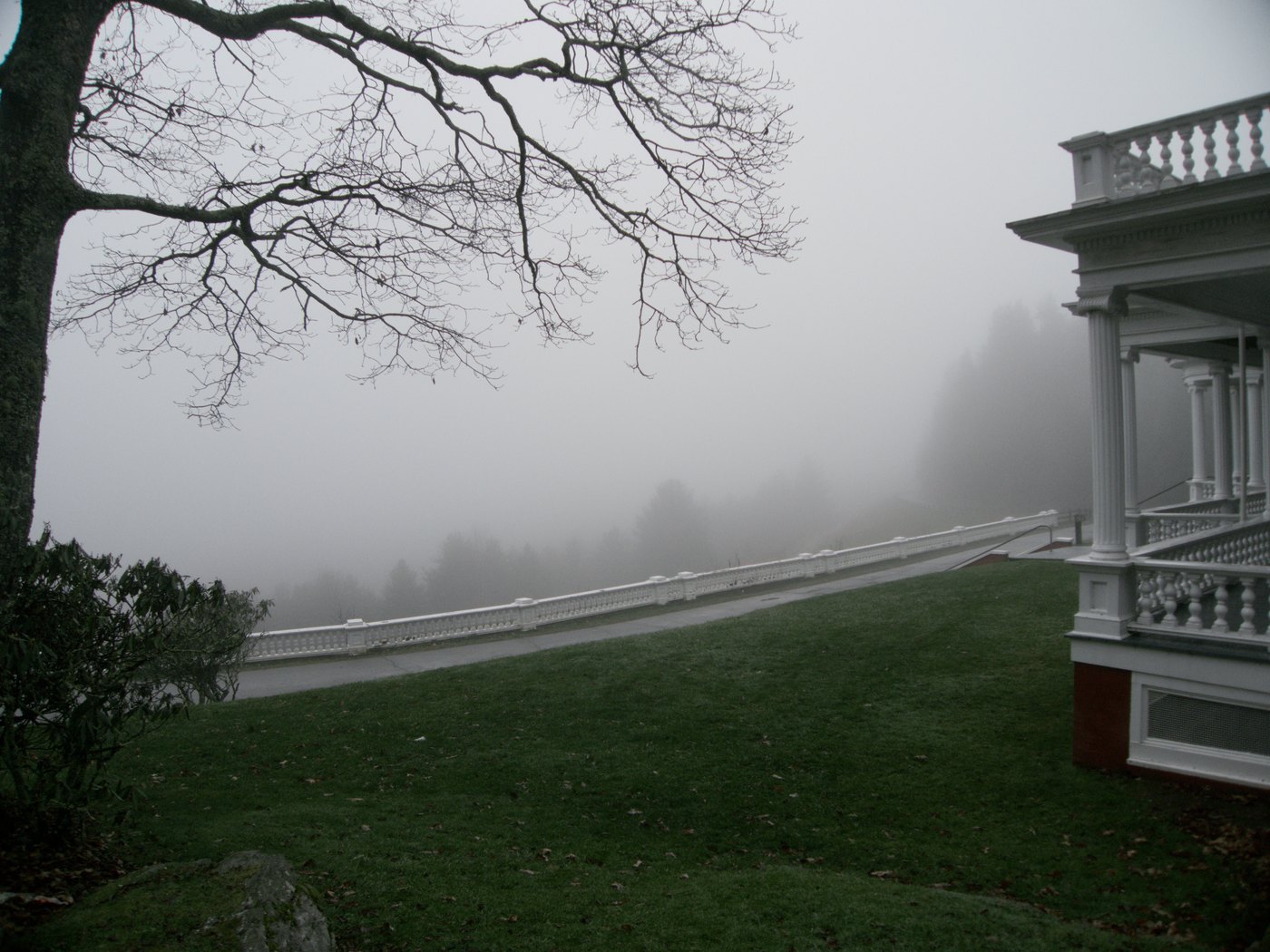
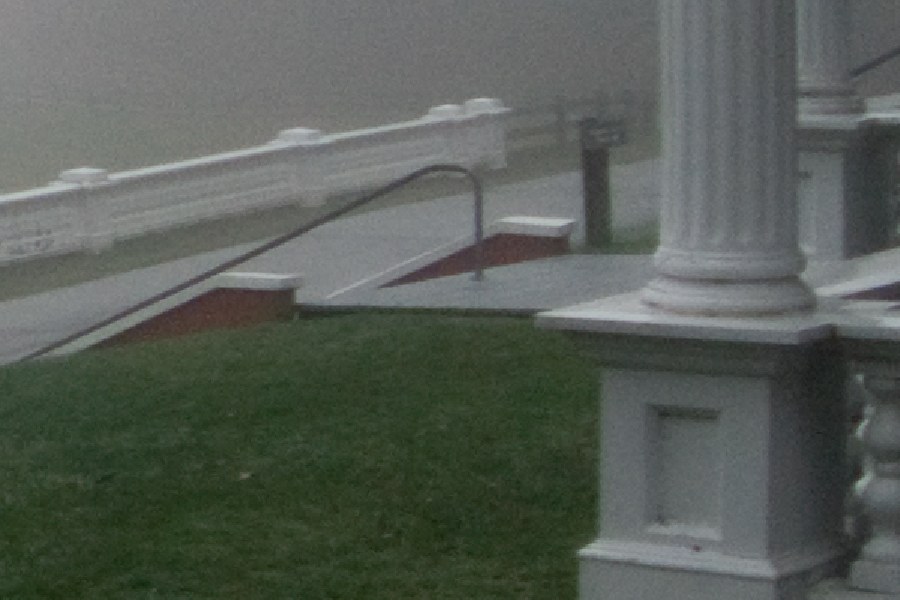
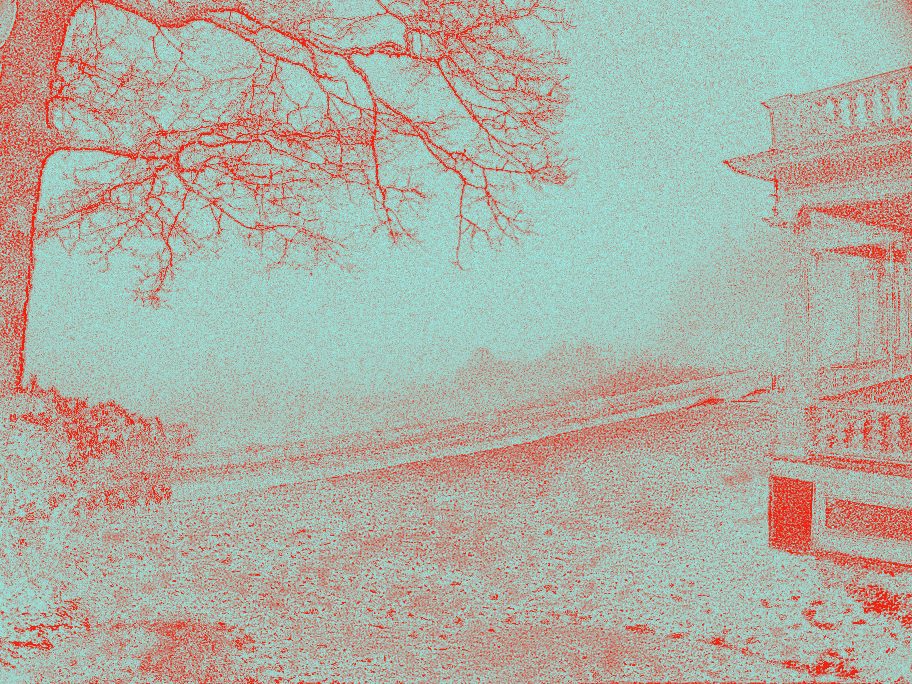
look/L1000787.clf applied. Free software, no Adobe file.These are the figures in look/L1000787.fit-report.json. What remains between 1.6 and the pixels is the 2009 sharpening and noise reduction, which is texture, not color.
A born-digital photograph as a worked example
A proprietary camera raw, a sidecar of settings, and the photographer's rendering, which is the work. The archive has to keep all three and record the relationship between them.
FADGI's own Technical Guidelines note that keeping raw and adjusted versions "would need additional metadata elements". These are those elements.
Proposed change: a second worked example in their appendix, raw + sidecar → rendering, by the creator.
This bag is that example. The three things the comment names, and how the two records tie them:
| The comment names | In the bag | PREMIS says | C2PA says |
|---|---|---|---|
| a proprietary camera raw | L1000787.RWL (and its open twin, L1000787.dng) | object · is source of the DNG; the DNG is source of the work | the DNG is the parent ingredient of the signed picture |
| a sidecar of settings | L1000787.settings.xmp (+ L1000787.RWL.cos) | outcome of the creation event; in its detail extension by hash, with the software | in the action's parameters, by hash, with the software |
| the photographer's rendering, which is the work | L1000787.jpg | outcome of creation by the creator; significant property "THE WORK" | the signed asset; author Todd Stabley |
| the additional metadata elements | provenance/premis.xml, provenance/L1000787.c2pa.jpg, look/ | which file is the work · who the agent was to it · the settings by hash with software and version · an open transform with its measured fidelity · the finished pixels kept | |
The dates are the files' own: capture 23 November 2009 at 15:54:55, conversion 25 November, finishing 28 November at 20:24:48, all local time. The finished picture's metadata date and the file's last-modified time agree, which is how the readme can say "untouched since".
Every claim, and where to check it
| The comment claims | Where to check it | |
|---|---|---|
| The crosswalk's example is "adjusted color in a TIFF" with those PREMIS and C2PA terms | The draft itself, Appendix, first row after the header | ✓ |
| PREMIS carries the agent's role in linkingAgentRole | PREMIS 3 dictionary; used in premis.xml on every event | ✓ |
| C2PA carries digitalSourceType, IPTC's vocabulary | C2PA 2.4 specification; the bag's manifest definition uses it | ✓ |
| The Library's Recommended Formats Statement asks for a file "equal to the master copy" | Its 2025–2026 edition, section A, "Faithful representation" | ✓ |
| The Common LUT Format is SMPTE ST 2136-1:2026, published this February as a free standard | pub.smpte.org, approved 26 February 2026; the bag's look/L1000787.clf is one | ✓ |
| C2PA's action parameters is an open map; PREMIS has eventDetailExtension | Both specifications; both used in the bag | ✓ |
| A settings file's meaning is bound to the program that wrote it | L1000787.settings.xmp: Camera Raw 4.6's vocabulary, seventeen years old | ✓ |
| FADGI's Technical Guidelines say raw and adjusted versions "would need additional metadata elements" | Third edition (2023), the raw-files passage | ✓ |
| The bag holds every file from the raw to the finished picture, both records, the CLF transform with measured fidelity, checksummed, with a readme naming the work | The repository, 23 files, verified against the drive | ✓ |
Two things the readme says plainly: the C2PA signature is a test certificate, and the color table carries color and tone, not texture or local edits. Both are in the readme's "What is not claimed".
github.com/streamrD/one-photograph-and-its-provenance
Public since the evening of 26 September 2026. Opens on the readme. The photograph and everything with it: © 2009–2026 Todd Stabley, CC BY 4.0. Contact in the bag: todd@loupe.pictures.